What Are Perennials?
Perennials are plants that return year after year. Once established, they go dormant during colder months and regrow each spring from the same root system.
Most perennials bloom for a specific period during the growing season. Some flower in early spring, others in mid summer or fall. Outside their bloom window, they still provide greenery and structure.
Common perennials include:
- Hostas
- Coneflowers
- Black eyed Susans
- Daylilies
- Ornamental grasses
Why Choose Perennials?
Perennials are ideal for:
- Long term landscape structure
- Lower annual planting costs
- Foundation beds and borders
- Sustainable landscaping with native species
Because they return each year, perennials create consistency in your garden beds. They form the backbone of a landscape design and often require less replanting over time.
However, bloom times are limited, which means color may fade between flowering cycles unless thoughtfully planned.
What Are Annuals?
Annuals complete their entire life cycle in one growing season. They are planted in spring or early summer, bloom continuously, and last until the first frost. After that, they do not return.
Popular annuals include:
- Petunias
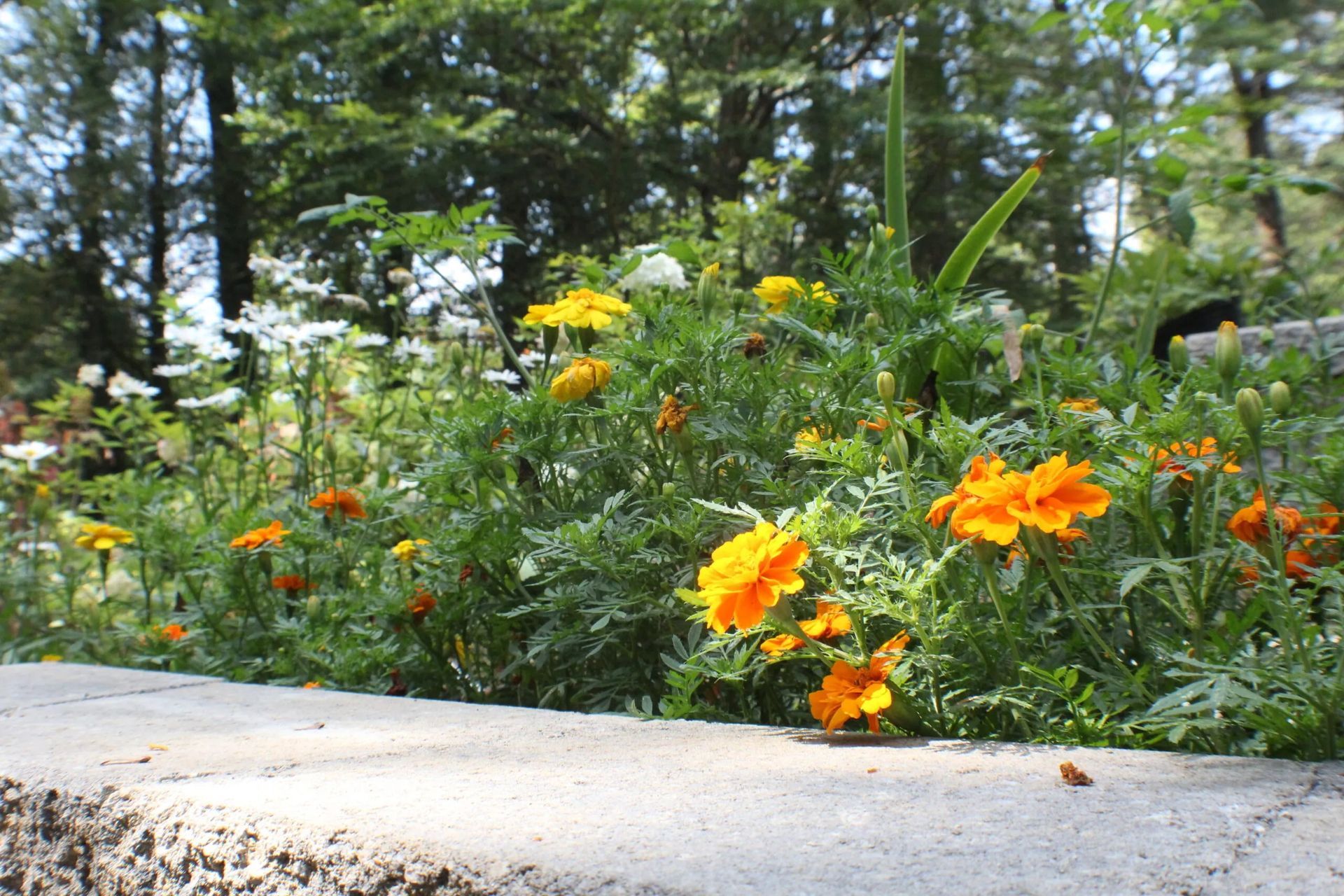
- Marigolds
- Begonias
- Zinnias
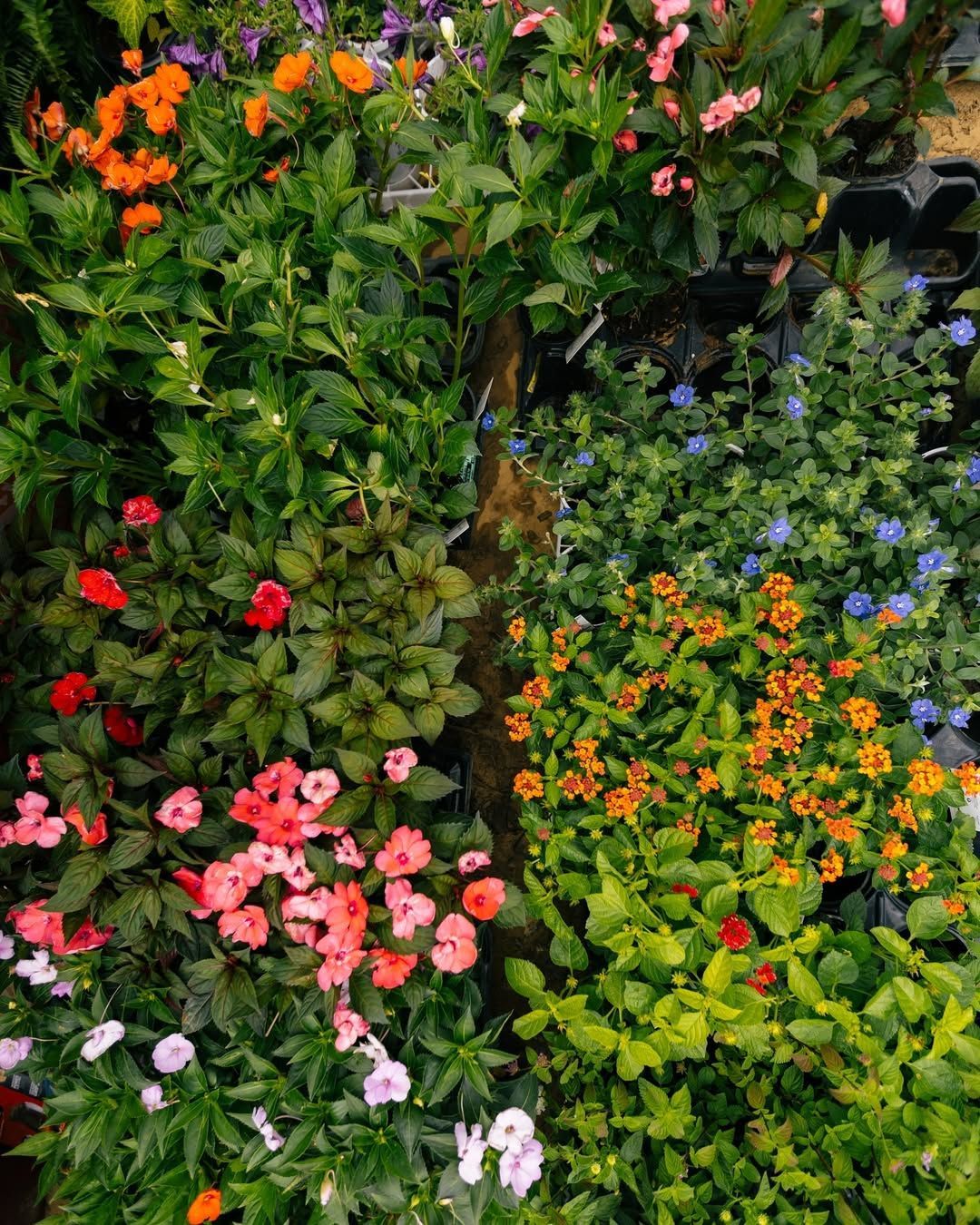
- Impatiens
Why Choose Annuals?
Annuals are best for:
- Bold, continuous color
- Seasonal displays
- Containers and entryways
- High visibility areas
Unlike many perennials, annuals bloom consistently for months. They are often used to brighten patios, storefronts, and front yard beds where strong color impact matters.
The tradeoff is that they must be replanted each year.
Perennials vs Annuals: How to Decide
The right choice depends on how you want your landscape to function.
Choose
perennials if you want:
- Long term plantings
- Lower yearly replacement costs
- A stable, structured design
- Reduced seasonal labor
Choose
annuals if you want:
- Immediate color
- Flexibility to change styles each season
- Bright curb appeal
- Continuous blooming
For most residential and commercial landscapes in Chattanooga, a balanced combination works best. Perennials provide structure and consistency, while annuals fill in gaps with vibrant seasonal color.
Common Mistakes to Avoid When Planting
1. Choosing Plants That Do Not Match the Climate
Not every perennial survives Tennessee winters, and not every annual thrives in full summer heat. Always select plants suited for local conditions.
2. Ignoring Bloom Timing
If all your perennials bloom at once, your garden may look bare later in the season. Mixing early, mid, and late bloomers ensures consistent interest.
3. Using Only One Type
An all annual bed can become expensive to refresh every year. An all perennial bed may lack long lasting seasonal color. A combination creates balance.
4. Skipping Soil Preparation
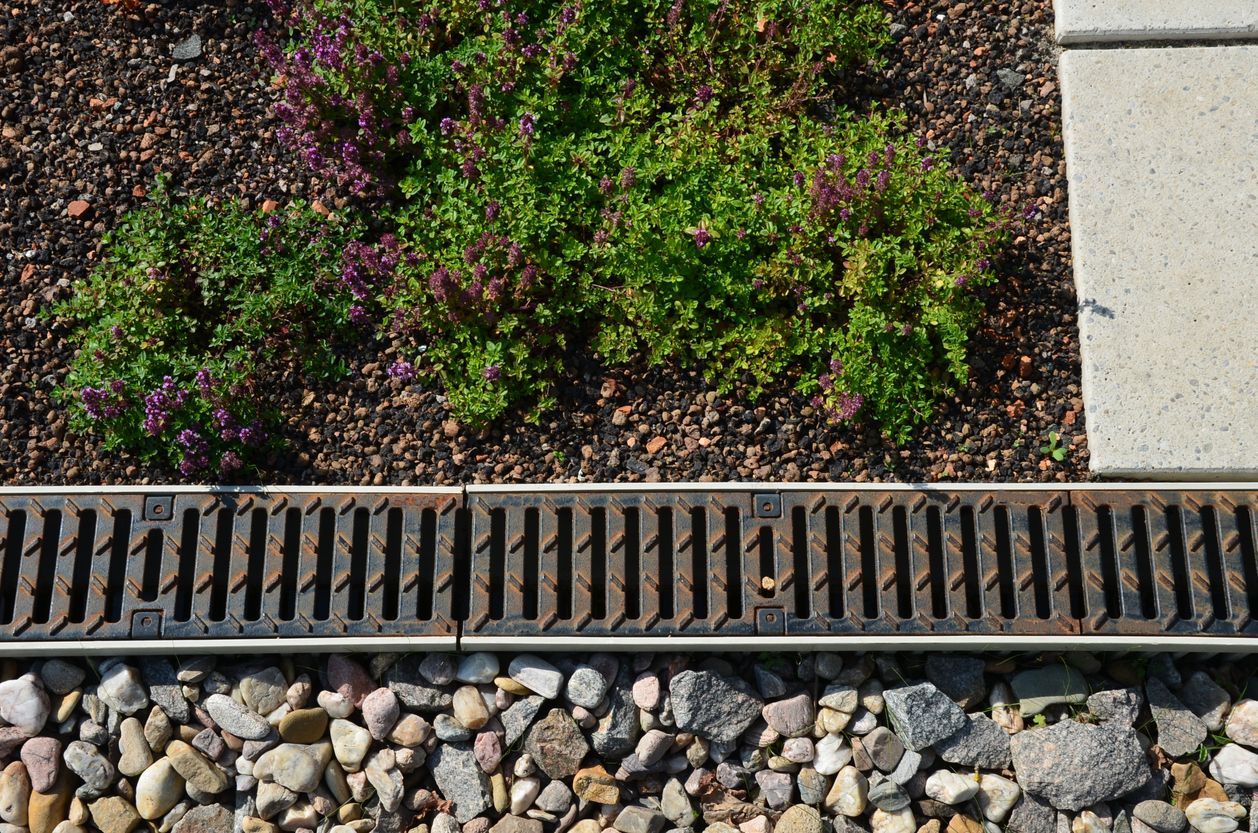
Healthy soil supports stronger roots and better blooms. Before planting, improve soil with compost and proper grading to support drainage.
Where to Plant Each Type
Understanding placement helps maximize performance.
Front Entrances and High Traffic Areas
Annuals work well here because they deliver bold color and strong first impressions.
Foundation Beds and Property Borders
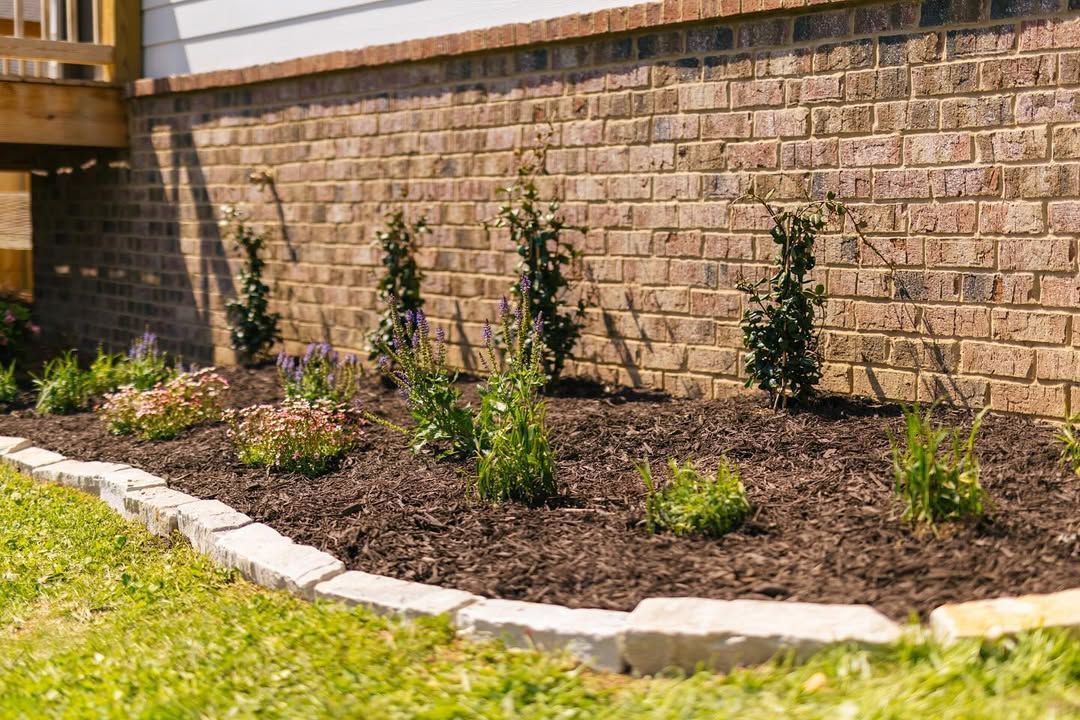
Perennials provide structure and long term stability in these spaces.
Containers and Raised Planters
Annuals thrive in pots and can be rotated seasonally for fresh looks.
Mixed Garden Beds
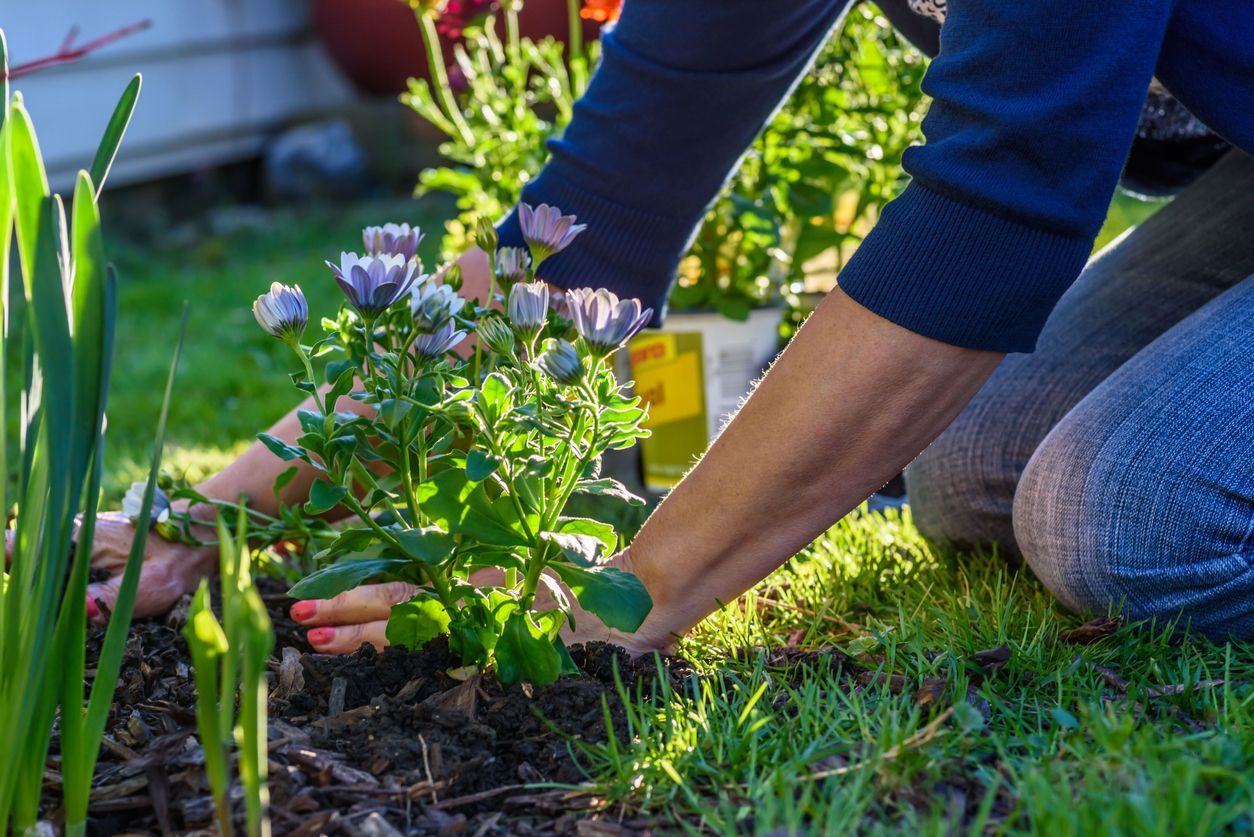
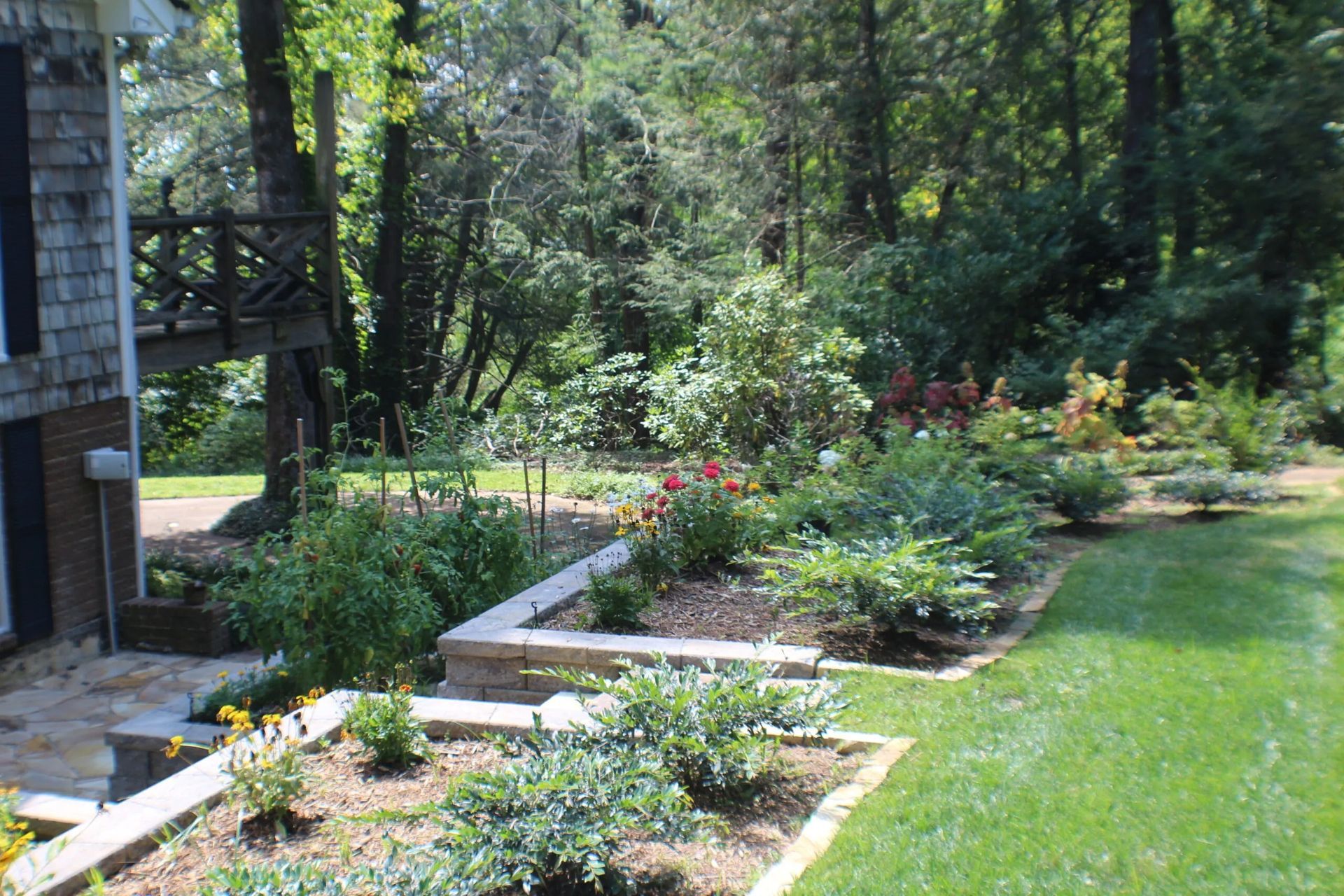
Layer perennials toward the back for height and structure. Fill the front with seasonal annual color for visual impact.
How Big Sky Landscapes Can Help
At Big Sky Landscapes, we design and install flower beds for residential and commercial properties throughout Chattanooga. We evaluate:
- Sunlight exposure
- Soil conditions
- Drainage patterns
- Desired maintenance level
From there, we build planting plans that balance beauty, sustainability, and long term performance.
If you prefer not to manage seasonal changes, we also offer maintenance services to keep beds healthy and refreshed throughout the year.
Whether you want vibrant seasonal displays or low maintenance native plantings, our team helps you choose plants that match your goals.
Ready to upgrade your landscape?
Contact Big Sky Landscapes today to schedule a consultation.