
How Can Native Plants Enhance Eco-Friendly Gardens?
Eco-friendly landscaping is no longer a trend. It is a practical approach to building outdoor spaces that last. For homeowners, property managers, and businesses in Chattanooga, native plants play a central role in creating sustainable, low maintenance landscapes.
At Big Sky Landscapes, we incorporate native plant species into our designs to improve long term performance, reduce resource use, and support the local ecosystem.

What Are Native Plants?
Native plants are species that naturally occur in a specific region and are adapted to its soil, rainfall, and climate conditions.
Because they evolved in this environment, they typically:
- Require less supplemental watering
- Need fewer fertilizers
- Resist local pests and diseases
- Thrive in regional soil conditions
Examples in the Chattanooga area may include native trees, grasses, and flowering perennials suited to Tennessee’s climate.
The Environmental Benefits of Native Plants
1. Water Conservation
Native plants are adapted to local rainfall patterns. Once established, they generally require far less irrigation than non native species.
Lower water use reduces:
- Utility costs
- Strain on local water systems
- Risk of overwatering related plant disease
Efficient irrigation systems paired with native plants further increase sustainability.
2. Support for Pollinators and Wildlife
Native plants provide food and shelter for pollinators such as bees, butterflies, and birds.
A landscape designed with native species can:
- Increase biodiversity
- Support beneficial insects
- Create natural habitat corridors
This contributes to a healthier local ecosystem while enhancing the beauty of your property.
3. Reduced Maintenance Requirements
Because native plants are suited to local conditions, they typically require:
- Less pruning
- Minimal fertilization
- Fewer chemical treatments
This makes them ideal for busy homeowners and commercial properties seeking low maintenance landscaping solutions.
4. Improved Soil Stability and Erosion Control
Many native plants develop deep root systems. These roots help:
- Stabilize soil
- Reduce erosion
- Improve soil structure
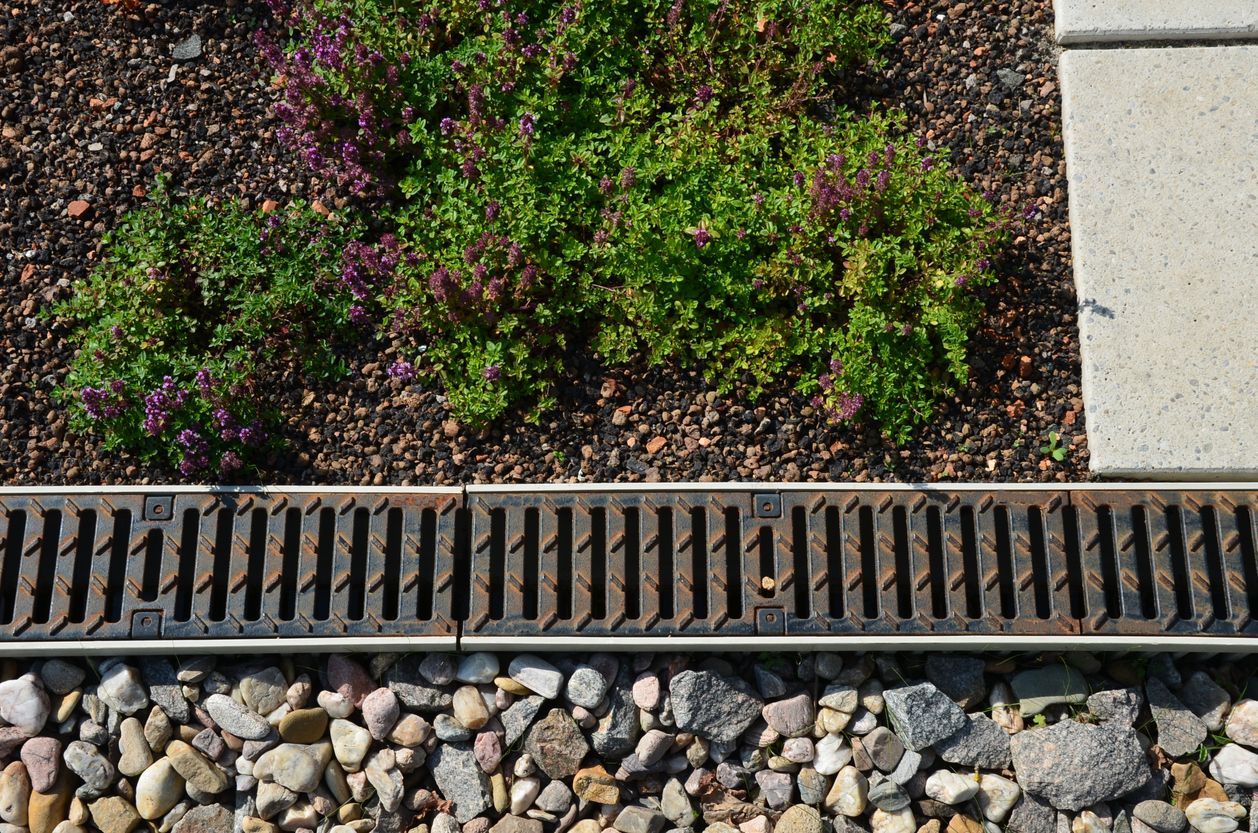
- Manage stormwater runoff
Properties with slopes or drainage concerns particularly benefit from native plant integration.
5. Fewer Chemical Inputs
Native plants are naturally more resistant to local pests and diseases. This reduces the need for synthetic fertilizers and pesticides, creating safer outdoor spaces for families, pets, employees, and visitors.
Designing an Eco-Friendly Landscape with Native Plants
Start with a Site Evaluation
Successful native planting begins with understanding:
- Sunlight exposure
- Soil type
- Drainage patterns
- Available space
At Big Sky Landscapes, we assess these factors before developing a planting plan.
Select the Right Plant Mix
A balanced design often includes:
- Native trees for shade and structure
- Shrubs for layering and privacy
- Perennials and grasses for color and texture
Diversity improves resilience and visual interest throughout the year.
Integrate Sustainable Features
Native plantings work best when paired with:
- Proper grading and drainage
- Mulch for moisture retention
- Efficient irrigation systems
- Reduced turf areas
These elements create a complete, sustainable landscape system.
Native Landscaping for Different Property Types
For Homeowners
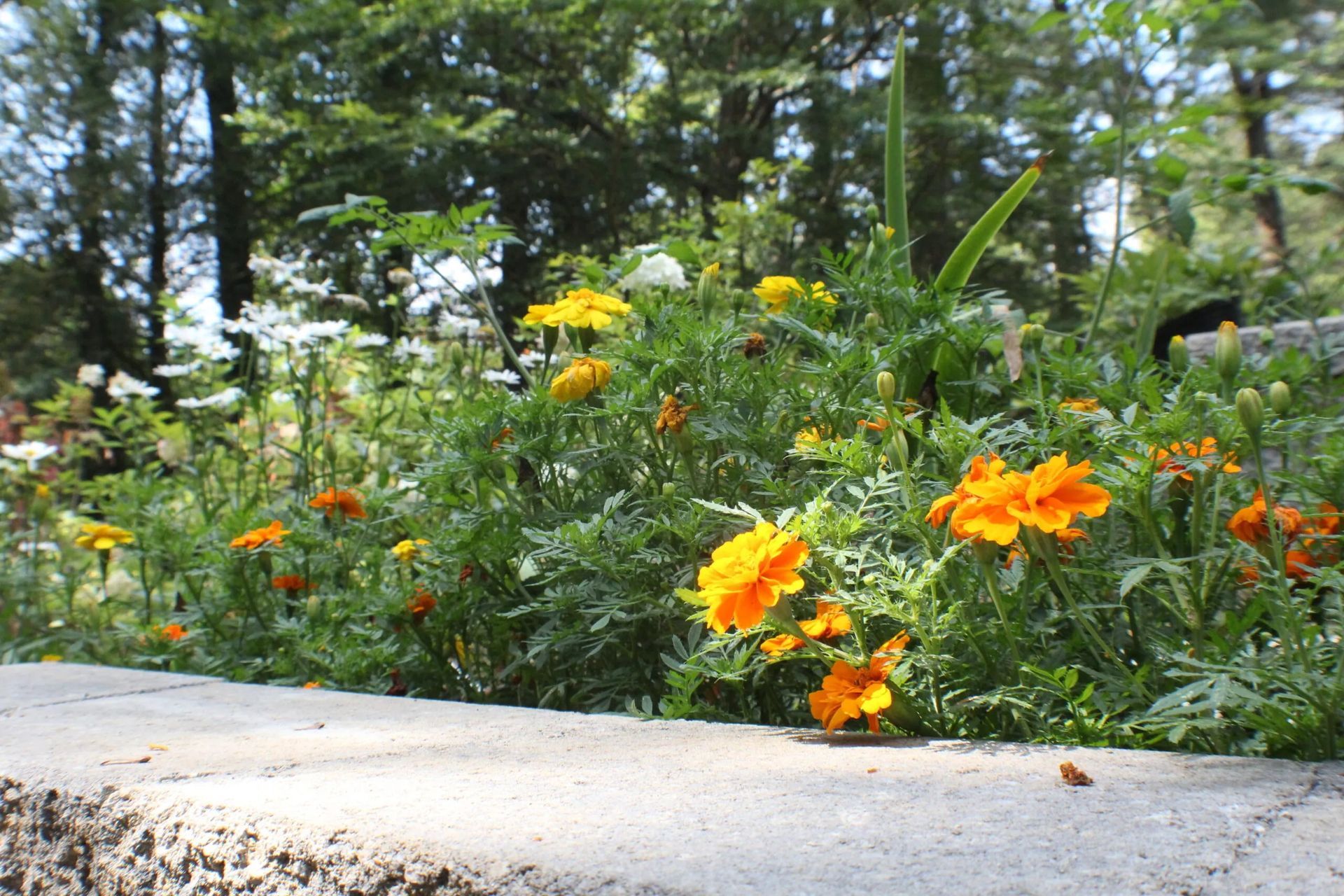
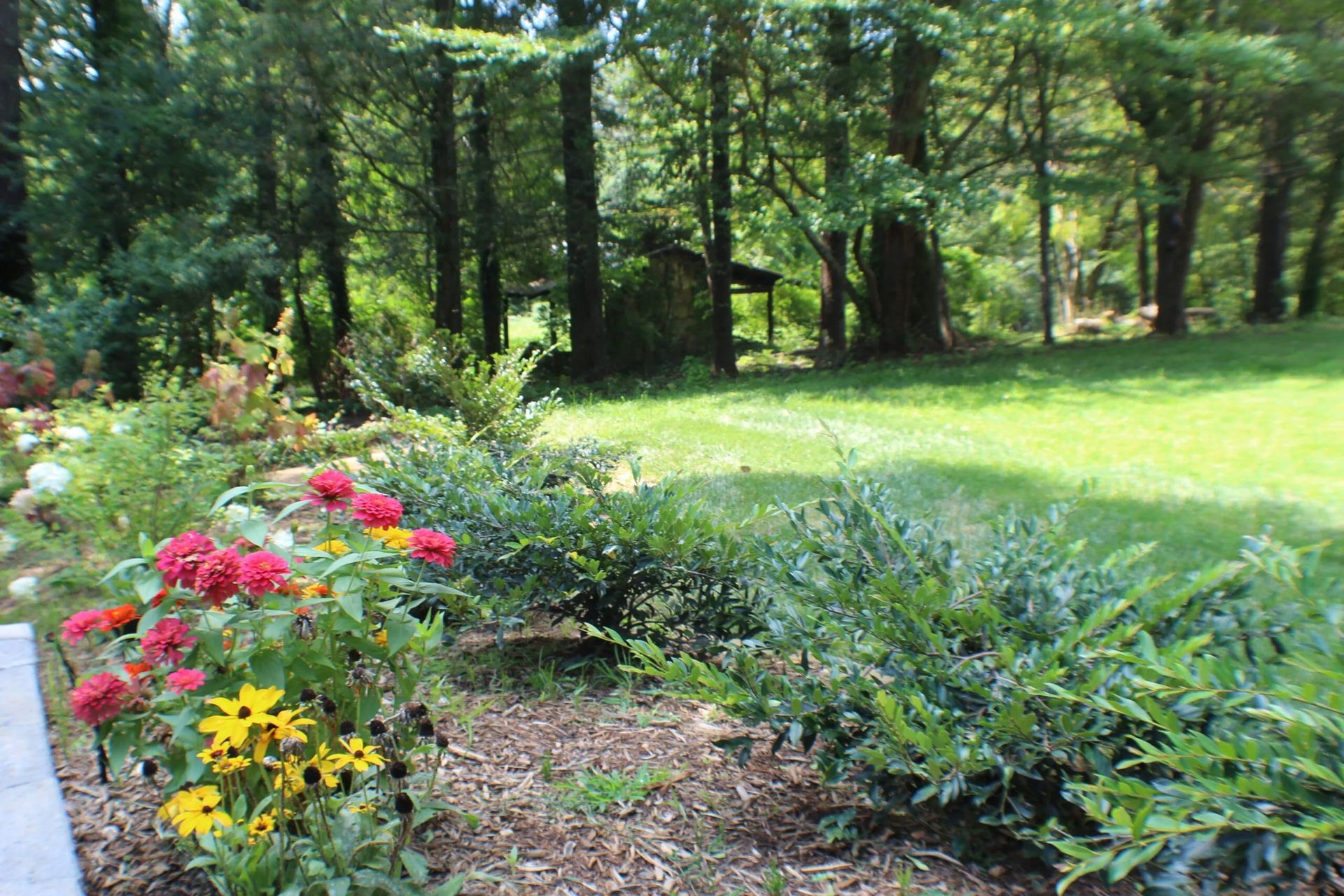
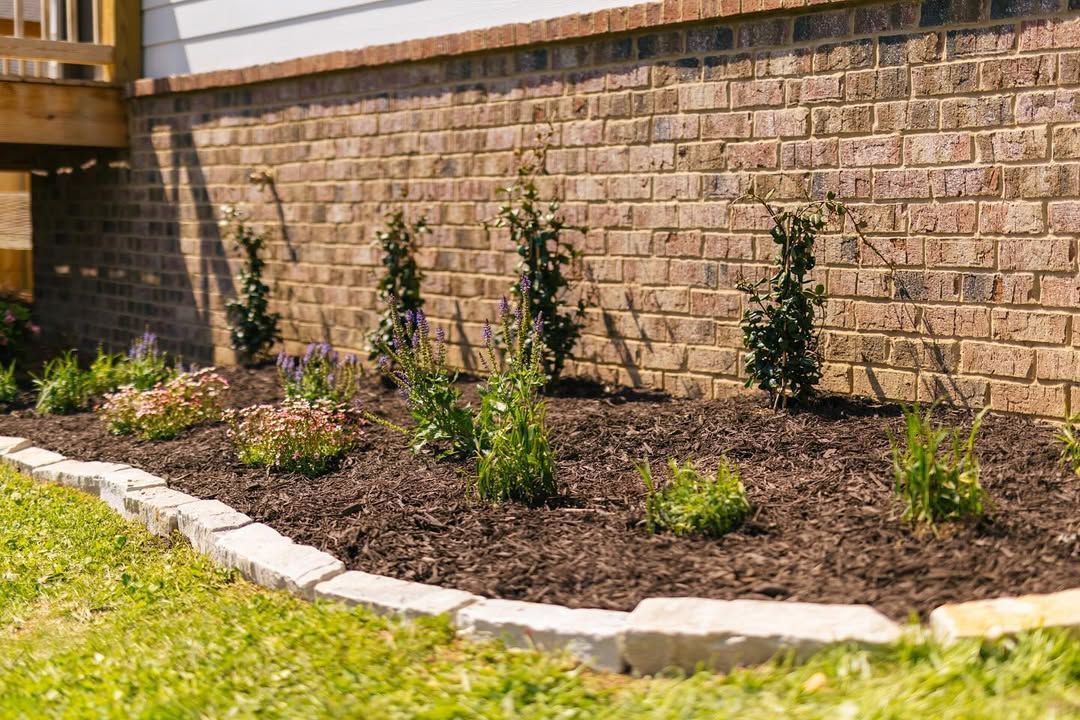
Native plant gardens can transform backyards into low maintenance retreats. They provide seasonal color, shade, and privacy while reducing watering demands.
See more information about residential landscaping.
For Property Managers
Common areas planted with native species require less upkeep and irrigation. This reduces long term maintenance costs while maintaining curb appeal.
See more information about commercial landscaping.
For Businesses
Native landscapes demonstrate environmental responsibility. They enhance brand image while creating welcoming spaces for customers and employees.
See more information about commercial landscaping
Cost Considerations
Native plant pricing varies based on plant size and species selection. Larger trees naturally require greater investment than perennials or shrubs. A consultation allows us to evaluate your property and provide an accurate estimate based on your goals.
Why Work with Big Sky Landscapes?
Our team designs and installs sustainable landscapes across Chattanooga using climate appropriate plant selections and efficient irrigation systems.
We focus on:
- Clean installation practices
- Long term plant performance
- Water efficient design
- Structured maintenance plans
Native landscaping is not just about planting differently. It is about designing smarter from the beginning. Contact us today for a free consultation.
Frequently Asked Questions
Do native plants require fertilizer?
Most native plants do not require regular fertilization. In some cases, soil amendments such as compost may support initial establishment.
Can native plants grow in urban areas?
Yes. Many native species adapt well to urban environments when selected appropriately for sun and soil conditions.
Are native plants more affordable long term?
While installation costs vary, native plants often reduce long term maintenance and watering expenses.
How much maintenance do native gardens require?
Maintenance is generally limited to watering during establishment, occasional pruning, and periodic weed control.
Can native plants be used in formal designs?
Yes. Native plants can be incorporated into structured, modern, or traditional layouts depending on design preference.